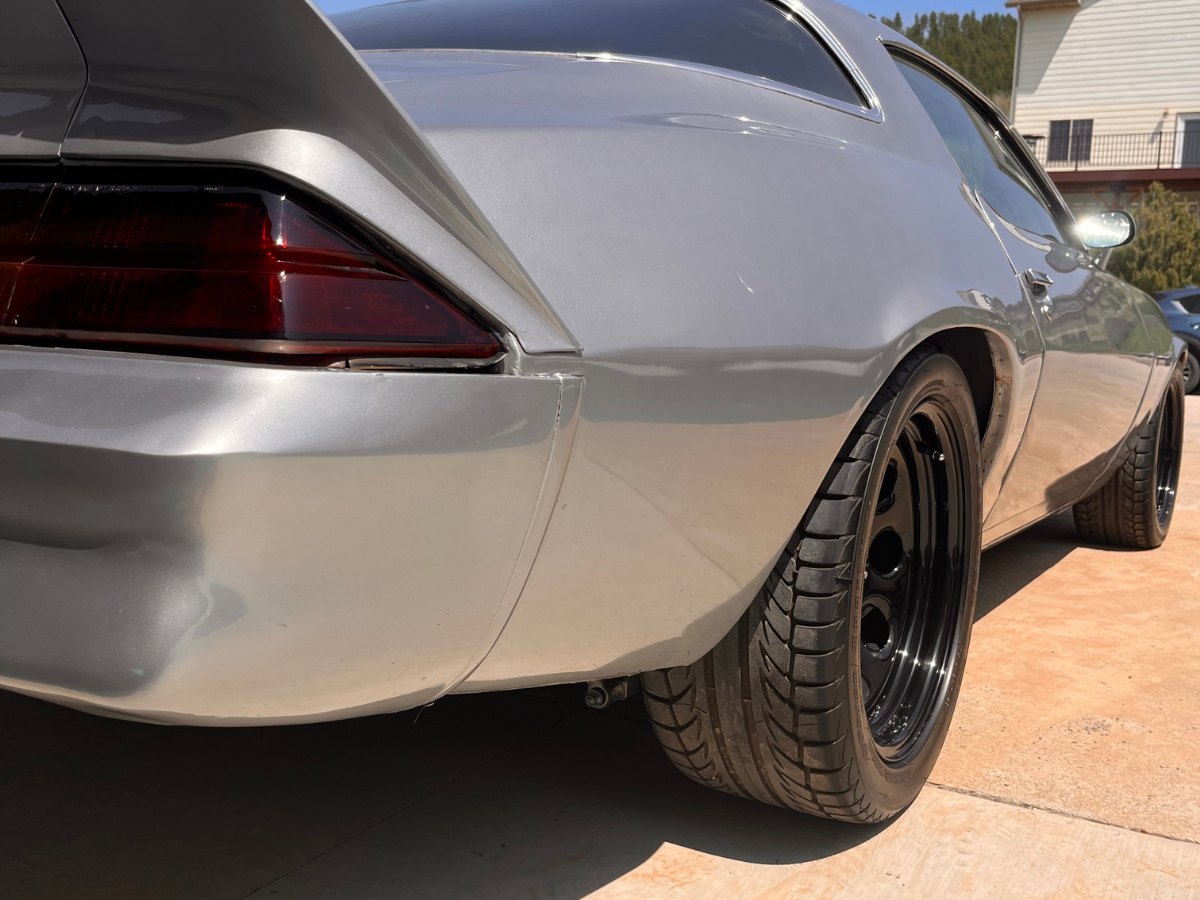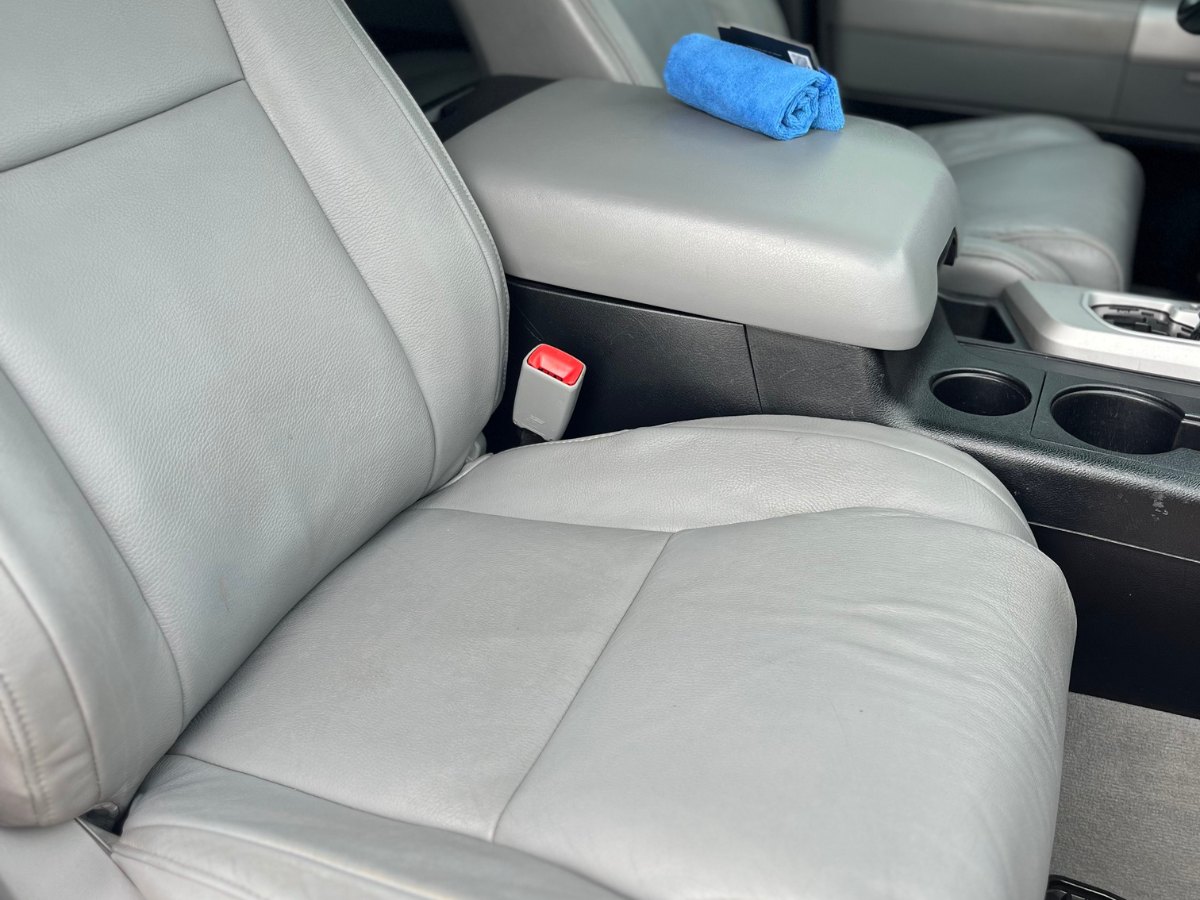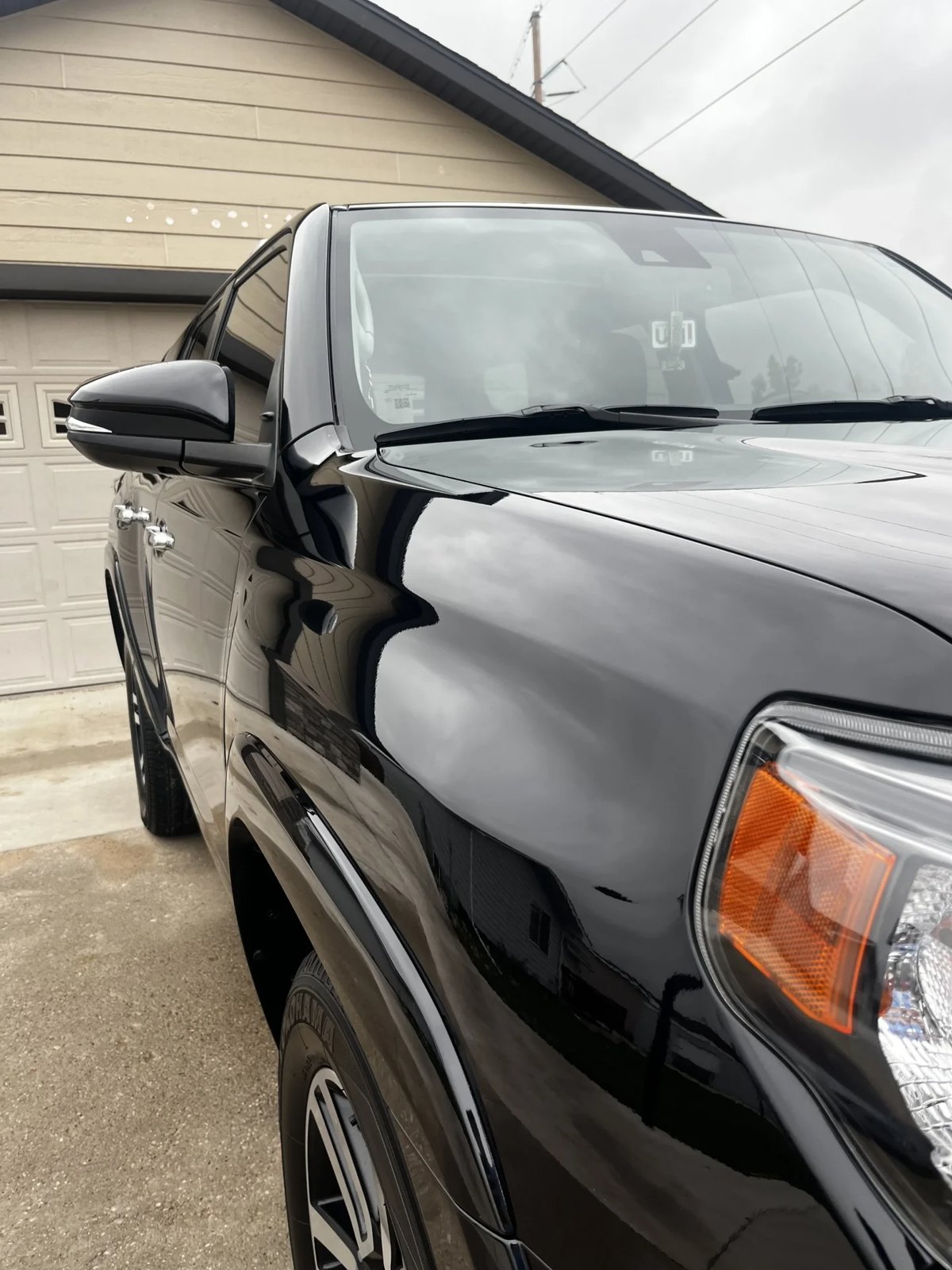
When it comes to protecting your vehicle’s paint, most car owners are stuck between two options: wax or ceramic coating. But if you live in Upstate South Carolina , where the weather shifts from hot, humid summers to rain, pollen, and even the occasional icy road, choosing the right protection matters even more.
So—what’s the real difference between the two? And which is best for your car in our local conditions? Let’s break it down.
What Is Car Wax?
Car wax has been around for decades. It creates a temporary layer of protection that enhances shine and offers water beading. Most traditional waxes last 4 to 6 weeks , though synthetic options can stretch to a couple of months .
Pros of Wax:
- Inexpensive
- Easy to apply at home
- Gives a warm, deep shine
Cons of Wax:
- Short lifespan, especially in hot or rainy conditions
- Offers minimal protection against UV, bird droppings, and road salt
- Needs frequent reapplication
In Upstate SC, where cars are exposed to constant pollen, sun, and summer storms, wax tends to wear off quickly.
What Is Ceramic Coating?
Ceramic coating is a liquid polymer that bonds with your car’s clear coat. Once cured, it forms a hard, glass-like layer that provides long-lasting protection against the elements.
At Allen Auto Detailing, we offer 3-year and 5-year ceramic coating options , both with an optional warranty for extra peace of mind.
Pros of Ceramic Coating:
- Long-lasting protection (3–5 years)
- Superior resistance to UV, bird droppings, bugs, and acid rain
- Easier to clean — dirt doesn’t stick as easily
- Deep gloss and hydrophobic water beading
Cons of Ceramic Coating:
- Higher upfront cost
- Requires proper prep (like paint correction)
- Not a scratch-proof forcefield — just extreme surface protection
Why Ceramic Coating Makes Sense in Upstate SC
Our region puts your paint through a lot:
- UV exposure in long, hot summers fades and weakens clear coat
- Tree pollen and sap are everywhere, especially in spring
- Sudden thunderstorms and road grime can eat into unprotected surfaces
- Salt and magnesium chloride used during rare snow events can accelerate rust
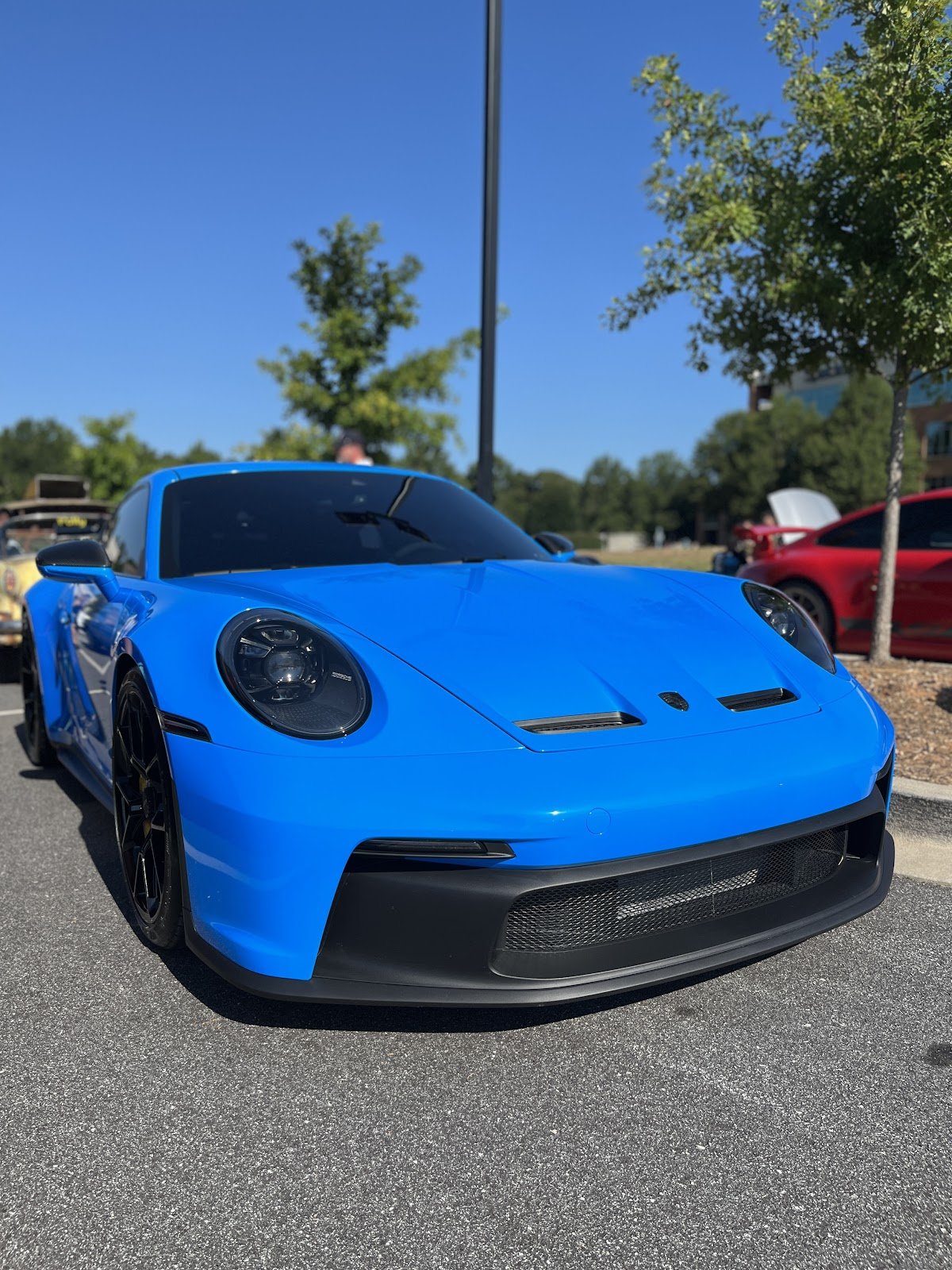
Ceramic coating provides year-round protection, whether you’re commuting daily or preserving a garage queen. It’s especially great for darker vehicles that show every imperfection or for new car owners wanting to keep that showroom finish.
When Wax Still Makes Sense
If you’re driving an older vehicle and want a quick, temporary shine without the investment, wax is still an option. Just keep in mind you’ll need to reapply it every month or two , especially in SC’s humidity and heat.
Ready for Long-Term Protection?
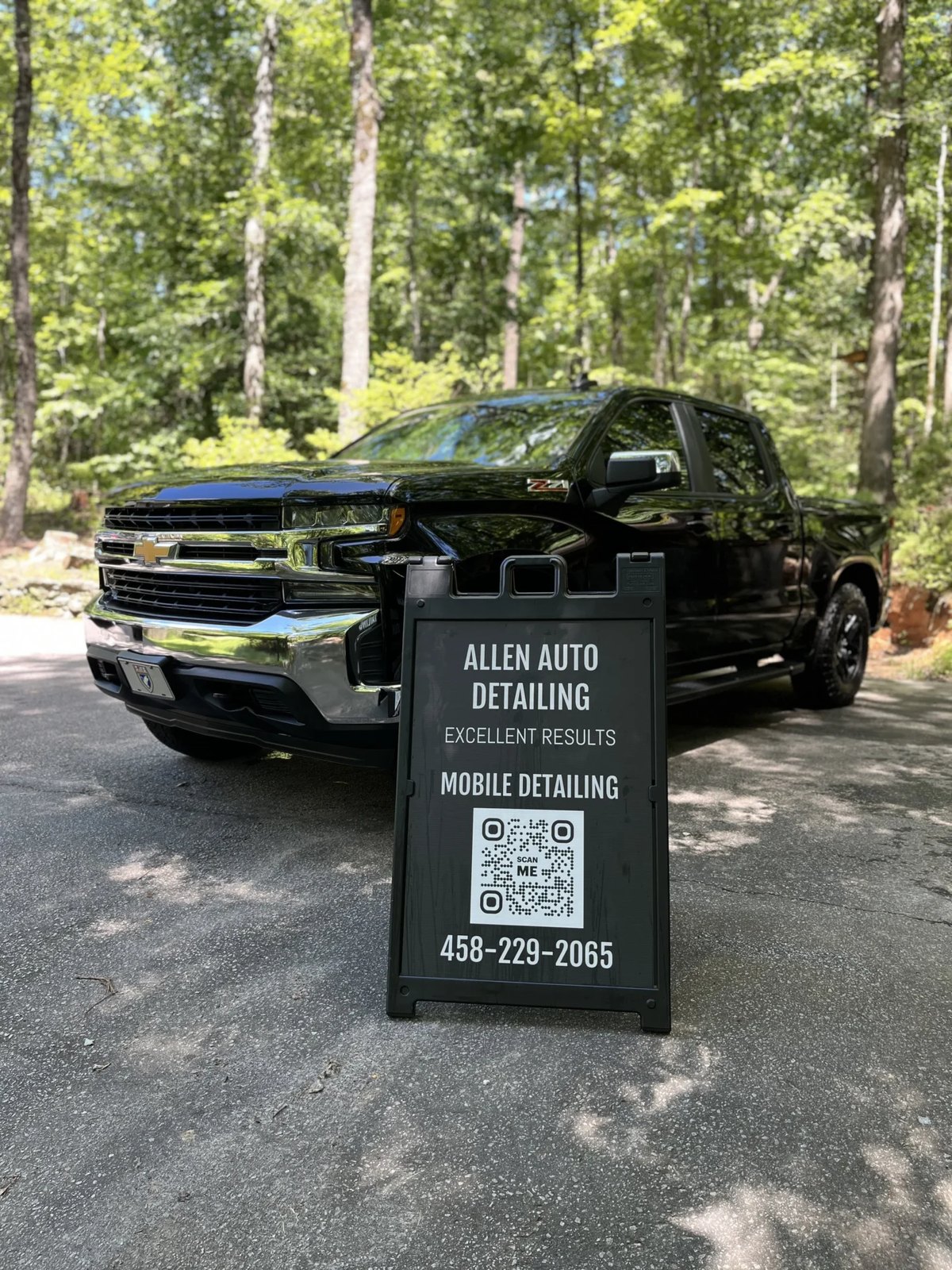
At Allen Auto Detailing , we specialize in high-quality ceramic coating applications right here in Upstate SC. Whether you drive a daily work truck, luxury vehicle, or family SUV, we’ve got a solution tailored for your car and your lifestyle.
Book your ceramic coating consultation today and protect your vehicle the right way — for years, not weeks.
👉 Schedule Now
The Real Difference Over Three Years
Money is not the main gap. A bottle of wax or sealant lasts most owners well over a year, so the honest cost of waxing is mostly your Saturday afternoon, repeated. Over three years that is ten to fifteen afternoons of work, and the protection still resets every few weeks in between.
A coating is one visit and one invoice. You give up a day, and the protection holds through the pollen season, the summer sun, and the handful of icy mornings, without you thinking about it. If you genuinely enjoy waxing your car, wax is a great hobby. If you do not, the coating is the version that actually gets done.
A Simple Way to Decide
Keep the vehicle for three or more years and want real protection: ceramic coating. Selling or trading within a few months: a thorough detail and a sealant will return more for less money. An older truck that lives outside and gets beaten up: a quality sealant, refreshed regularly, is the practical choice. A new car or a leased car you plan to give back clean: coating from day one.
If the paint already shows swirls and haze in direct sunlight, whichever protection you choose should come after a polish. Nothing you apply over dull paint will make it look corrected.
Can You Put a Coating Over Wax?
No, and this is where a lot of DIY kits go wrong. Wax and sealant leave oils behind that stop a ceramic coating from bonding, so the coating cures onto the residue instead of the clear coat and peels or spots early. A professional application includes a strip and prep wash that removes that residue before anything goes on.
What We Recommend If You Are Not Sure
Send us a few photos in daylight and tell us where the car sleeps and how it gets washed. We will tell you whether your paint needs correction first, which coating term fits your situation, and whether a sealant is the more sensible answer for the way you actually use the vehicle.
Back to all articles