You know that feeling when you step outside and for a second you swear your car is shedding its summer glory like last night’s tan? That frost creeping in the morning, the leaves turning brown, the salt trucks doing their early dance on the highway… Yup: winter’s sneaking up. And if your car has been cruising around pristine through spring and summer… it’s time to give it a little winter armor.
At Allen Auto Detailing, we’ve seen too many cars come back in spring with faded paint, etched wheels, and interior regrets. So here’s the single biggest piece of advice we’d offer you, free of charge: “Apply a solid protective layer now — before the winter hits.”
Why? Because by the time the first freeze happens, the road salt, grime, and slush-splatter have already started working. A clean, protected car heading into winter stands a much better chance of staying shiny (and easier to clean) than one that sits unprotected and fights the elements.
Why This Really Matters
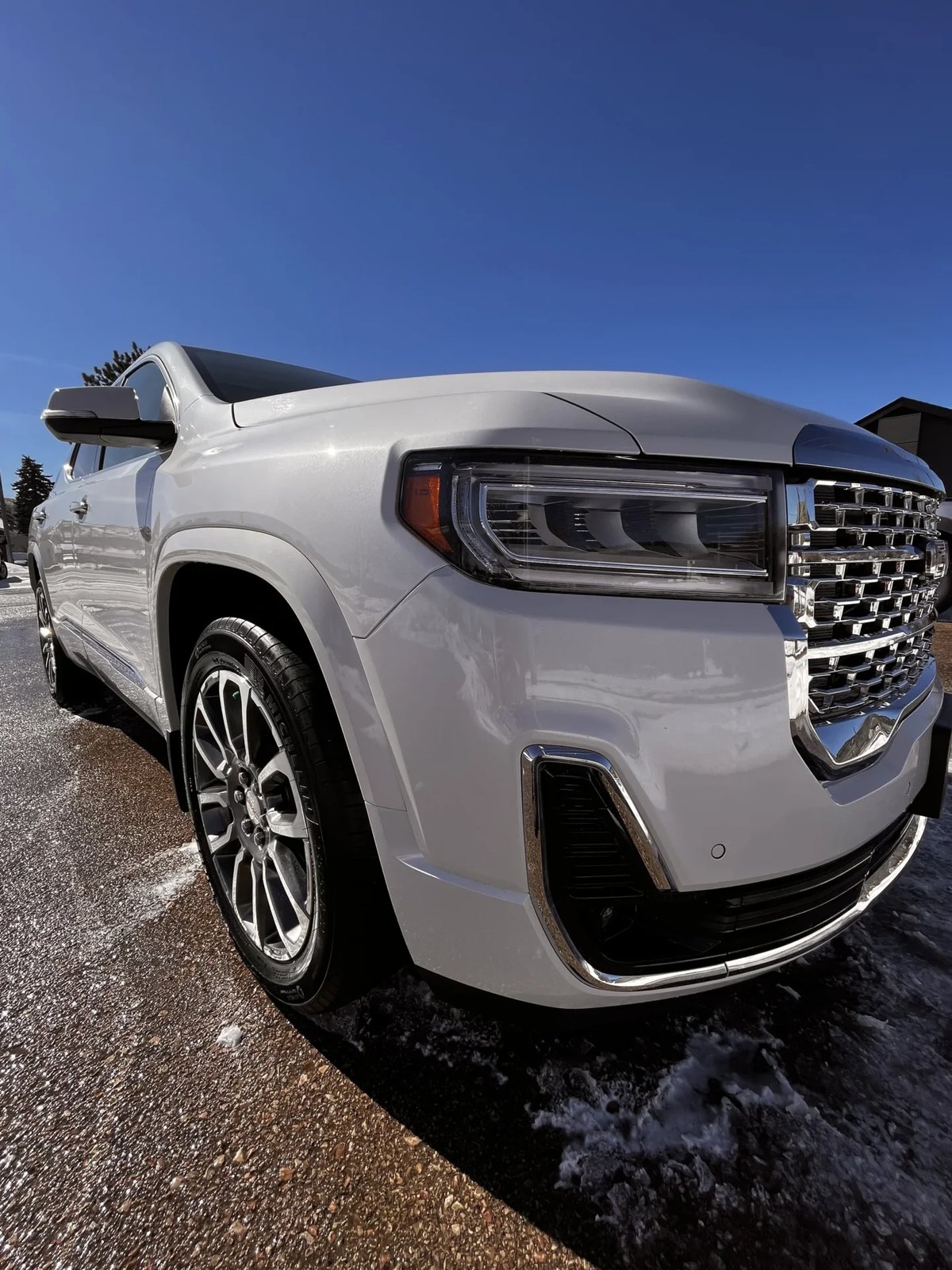
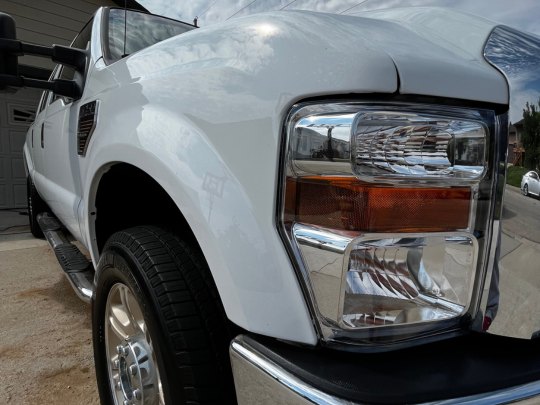
- Salt is a stealthy enemy. When winter road crews spread salt or brine, those tiny particles climb onto your wheels, lower panels, undercarriage, and paint edges. Without a protective barrier, salt can accelerate corrosion, dull your finish, and leave pitted metal behind. A quality wax, sealant or ceramic coating gives your car a fighting chance.
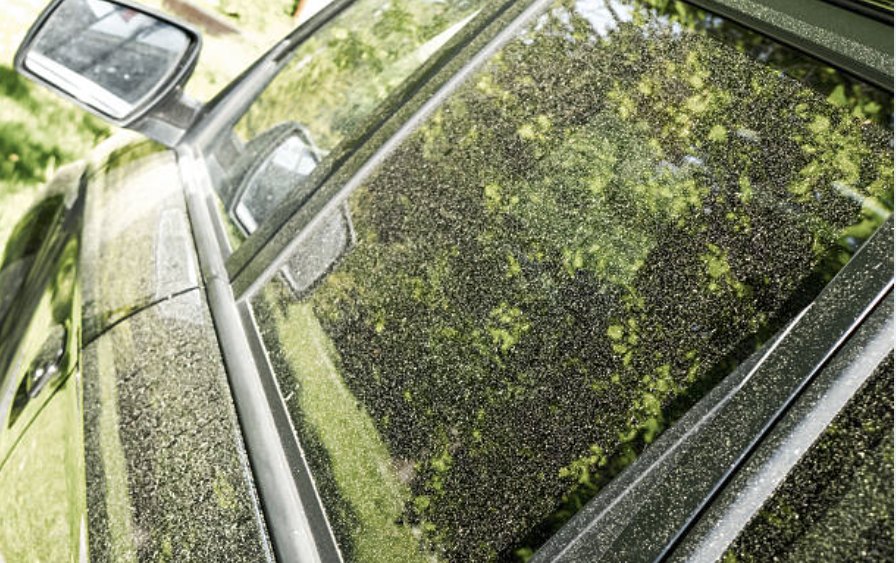
- Grime builds up faster in cold. In warmer months you may rinse off bugs, dust and road film fairly easily. In cold or wet conditions the contaminants stick around longer; you might skip washes when it’s freezing or rainy, and the buildup starts eating at your finish.
- Interior and glass don’t get ignored. Winter doesn’t just impact the outside. Think about wet shoes, salty coats, footprints, umbrellas dripping into the footwell. Your car’s carpets, seat fabrics, and even plastic trim can suffer. A quick interior prep plus protecting the glass (so that slush doesn’t create fine scratches when you wipe) makes a difference.

- It saves you hassle (and money). When the car’s protected going in, you’re spending less time in spring playing catch-up: trying to polish faded paint, clear out corrosion spots, remove stains and buildup that got ignored. A little prep now means fewer headaches later.
What That Protective Layer Should Include
Here’s a simple breakdown you can follow — whether you do it yourself or partner with a detailer — for best results before the freeze.
A. Wash + Decontaminate
Start with a thorough wash. Remove road film, bugs, tar, tree sap — everything that’s on the surface. If you skip this, any wax or sealant you apply is basically sealing in what you already have. Pro tip: pay special attention to the wheels, wheel-arches, undercarriage splash zones, because they’ll collect the most salt and slush.
B. Clay / Surface Prep
If your paint feels rough to the touch (think: after a wash, run your fingers lightly across the hood — if it doesn’t feel silky smooth, there’s contamination). A light clay or chemical decontamination helps. It gives you a clean base.
C. Apply Protection
Pick one good protective layer. Options include:
- A traditional high-quality wax (natural or synthetic)
- A paint sealant (longer lasting than wax)
- A ceramic coating (highest upfront investment, longest durability)
Why just one? Because layering too many different products can sometimes negate the benefits (incompatibilities, premature failure). Choose something you can manage — if you wash your car maybe once a month in winter, a good sealant or ceramic is wise.
D. Glass & Trim
Don’t forget your windows, mirrors, plastic trim, rubber seals. A good glass treatment helps repel moisture, road-spray and salt. Trim protectant keeps plastics from fading and becoming brittle in colder months.
E. Interior Check
Wipe and vacuum the floors, clean up the door sills and weather-stripping, and treat any leather or upholstery with a protectant. Consider putting down winter mats (rubber) if you don’t already have them — they’re easier to rinse out after snowy/slushy days.
F. Regular Rinse Maintenance
Once the protective layer is down, your job isn’t done. Every 2-4 weeks (or after a heavy road salt day) give your car a quick rinse or wash to remove built-up road grime. This helps the protective layer do its job.
Realistic Winter Ride Tips
- Park under cover if you can (garage, carport) to reduce exposure.
- Keep your car’s exterior dry when possible — even just letting it air at the end of the day helps.
- After heavy winter precipitation, rinse the wheels and lower panels when you can.
- Check your tire pressure — cold air shrinks it, and proper pressure helps avoid extra stress on your wheels and alignment.
- Use snow/winter tires or all-season rated as needed — while not strictly a detailing tip, a damaged wheel or rim means more detailing later.
A Quick “Why You Should Care” Chicken-or-Egg Moment
Imagine spring 2026 rolls in and your car still looks sharp — the finish holds up, the wheels haven’t corroded, the interior’s free of salt stains and foot-trail chaos. Compare that to a car that went into winter unprepared: dull paint, pitted lower panels, stained carpets, wheels with little rust spots starting… Which would you rather have?
The reality? It’s far easier to protect than to repair . And while the detailing world often talks about “showcar condition”, this isn’t just for exotic cars — it’s for you, driving your daily ride through Greenville, SC roads, Upstate slopes, and the occasional winter sleet.
Final Thought
Here at Allen Auto Detailing, we believe prevention is the kindest form of correction . We’re not here to sell you something you don’t need; we’re simply offering up the best advice we’ve learned from years of detailing in Greenville and beyond. If you take one thing away: get that protective layer on your car now — and let your ride head into winter with confidence.
Here’s to fewer scratches, less salt damage, and an easier spring cleanup when the thaw comes. Your car will thank you — and you’ll thank yourself.
Stay warm, stay safe, and here’s to a smart winter for your vehicle.
Back to all articles